Heardle 2000s Where to Play Rules and Better Guessing Tips
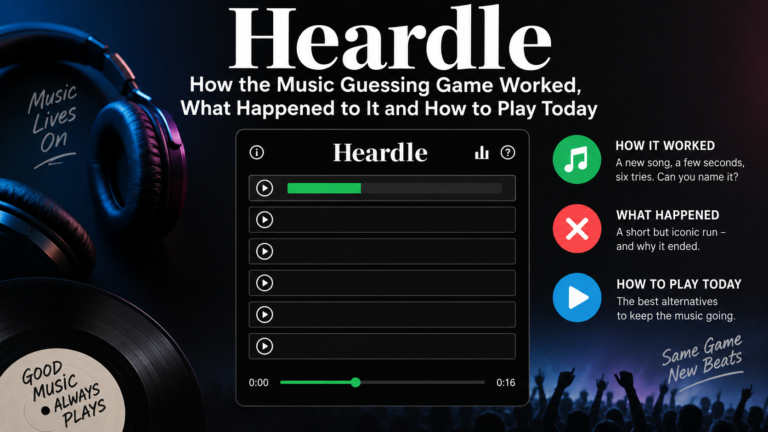
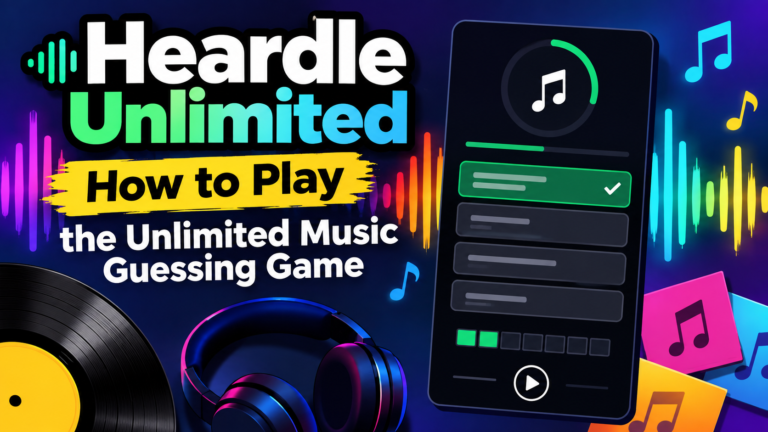
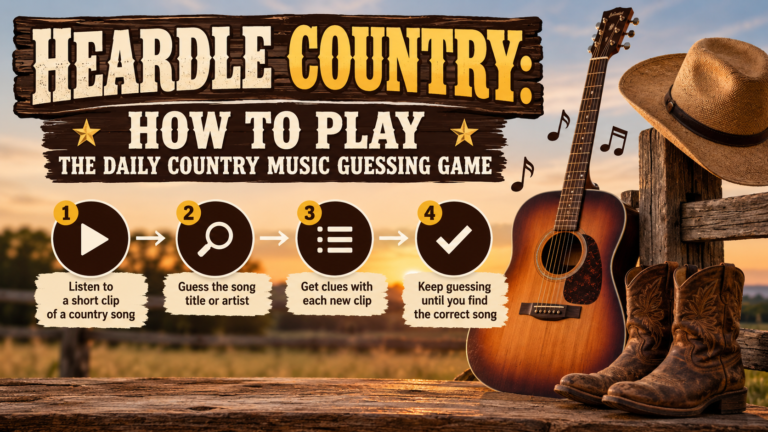
Heardle 2000s is a music guessing game that challenges you to identify songs associated with the 2000–2009 decade from short audio clips. Listen, choose a song title and artist, and try to solve the puzzle before your attempts run out. Incorrect guesses or skips reveal more audio, giving you another chance to recognize the track. Several websites offer their own versions, so the rules and daily answers can differ.
For anyone who remembers burning mix CDs, collecting downloads or waiting for a favourite music video, the appeal is immediate. A familiar beat can bring back an entire song—even when its title takes a little longer to remember.
Where Can You Play Heardle 2000s?
Two places to start are:
| Website | What to look for |
|---|---|
| Heardle Decades | Separate listings for its 2000s game and 00s No. 1s game |
| PlayHeardle | A dedicated 2000s page with instructions for guessing from the intro |
Both websites list decade-based music challenges. However, finding a game page does not guarantee that every audio track will load on every device or in every country.
The distinction between the standard 2000s game and the No. 1s edition matters. They are separate challenges, so make sure friends open the same link before comparing results.
Once you find the version you enjoy, bookmark its exact address. Searching for the name again can lead you to a different provider with a different puzzle.
Is It the Original Spotify Heardle?
No. Spotify’s original Heardle closed on May 5, 2023. The company had acquired the game in July 2022. The independently operated games that remain online should not be confused with that discontinued service.
Heardle Decades describes its games as independently maintained versions based on the original format.
How to Play Heardle 2000s
The basic idea is straightforward, but choosing your answer correctly is just as important as recognizing the music.
1. Play the Opening Clip
Press the play button and listen carefully. Your first clue might be a drum hit, a guitar note, a synthesizer pattern or a brief vocal sound.
Avoid deciding too quickly that the clip is unrecognizable. Replay it and focus on one detail you missed the first time.
2. Search for the Song
Enter the title or artist into the answer field. Select the matching result from the suggestions, then submit it.
Check both parts of the entry. Similar titles, featured artists and different recordings can make a hurried selection less reliable.
3. Reveal More Audio if Needed
A wrong guess or a skip unlocks a longer section of the track. Use that extra sound to reconsider your answer.
Perhaps the opening beat suggested several possibilities, but a new guitar phrase points toward one particular song. Treat each reveal as additional evidence.
4. Finish Within the Attempt Limit
Some current versions explicitly use six attempts. Always check the instructions on your chosen website instead of assuming every version has identical timing or rules.
Your aim is to identify the track with as little help as possible. Solving it late still counts as a satisfying recovery, especially when the intro initially sounds unfamiliar.
What Music Should You Expect?
Think broadly about the decade: pop, R&B, hip-hop, alternative rock, pop-punk and electronic music all provide useful listening practice.
However, no single playlist represents everything listeners around the world heard during those years. A song that was unavoidable on British radio may be less familiar to someone who grew up elsewhere.
Heardle Decades says its decade selections draw on UK and US chart data alongside personal favourites. It also explains that chart appearances and rereleases can place an older recording in a later decade’s game.
That means a track sounding slightly older than expected is not automatically an error.
For practice, explore several styles rather than repeating one favourite artist. Mix guitar-driven tracks with dance songs, vocal-led ballads and rhythm-heavy recordings. The goal is to become comfortable hearing different kinds of openings.
Tips for Recognizing Songs With Fewer Guesses
Listen for One Distinctive Detail
Trying to identify the entire recording immediately can feel overwhelming. Start with a smaller question:
- Is the opening acoustic or electronic?
- Does the rhythm sound relaxed, driving or dance-focused?
- Is there a voice before the main instrumental begins?
- Does an instrument play a recognizable repeated phrase?
These observations will not identify every song, but they help you form a more useful guess than “something from the early 2000s.”
Separate Recognition From Familiarity
A clip can sound familiar because it resembles several songs you know.
Before submitting, ask yourself whether you can mentally continue the melody. Can you hear the next phrase? Do you remember where the singer enters?
If your memory supplies a specific continuation, you have a stronger reason to trust the answer. If you only recognize the general style, more audio may help.
Do Not Get Stuck on Your First Idea
Once an artist comes to mind, it is tempting to interpret every new sound as confirmation.
Instead, compare your guess against the longer clip. If the voice, tempo or arrangement does not fit, move on. One early hunch should not consume the whole round.
Use Skips Deliberately
If you have a credible candidate, try it. If you have no meaningful lead, skipping can help you listen with a fresh question in mind.
Remember that skipping advances the round. It is a way to reveal more music, not an unlimited hint button.

Practise Intros Instead of Choruses
Knowing every word of a chorus does not necessarily help when the game only plays the opening.
Try this exercise with a playlist:
- Shuffle the songs.
- Listen to the first few seconds without looking at the screen.
- Name the title and artist.
- Check your answer.
- Replay the opening of anything you missed.
Keep a short list of difficult tracks. Revisiting those openings gives your practice a clear purpose.
Why Is Heardle 2000s Not Working?
A silent player or missing suggestion can interrupt the game before you have a fair chance to answer.
The Clip Has No Sound
Start with simple checks:
- Press play manually.
- Check the device volume and whether the browser tab is muted.
- Confirm that audio is going to the expected speakers or headphones.
- Try another audio page to see whether the problem affects the whole browser.
- Reload the game if the player remains stuck.
If the page displays a regional availability message, the problem may be the recording rather than your device. Heardle Decades acknowledges that some linked tracks are unavailable in particular countries.
Your Correct Answer Is Rejected
On Heardle Decades, select the song from the suggestion list instead of submitting manually typed text. Its FAQ explains that the game expects the listed title-and-artist entry.
Also check that you selected the intended recording rather than another song with a similar name.
The Song Does Not Appear
Try a more specific part of the title, inspect the full suggestion list and reload the page if necessary.
Avoid repeatedly submitting nearby results just because the expected entry is missing. Resolve the search problem first.
Daily Challenges, Unlimited Play and Today’s Answer
Before looking for “today’s Heardle 2000s answer,” identify the website you are playing. The name is used by multiple providers, so there is no safe assumption that one published answer matches every version.
Check the provider, puzzle date and game category. A general 2000s puzzle and a 2000s No. 1s puzzle are different challenges.
Similarly, do not assume that a daily game includes unlimited rounds or a playable archive. Look for those features in the game itself.
For friendly competition, agree on the same link and mode. Share your result without revealing the title, artist or a recognizable lyric. That lets everyone try the puzzle independently.
Conclusion
Heardle 2000s turns familiar music into a compact listening challenge. Choose a version, check its rules and pay attention to the details in each clip. Practising song openings can make the game more rewarding and a missed answer might introduce you to a track worth hearing again.